
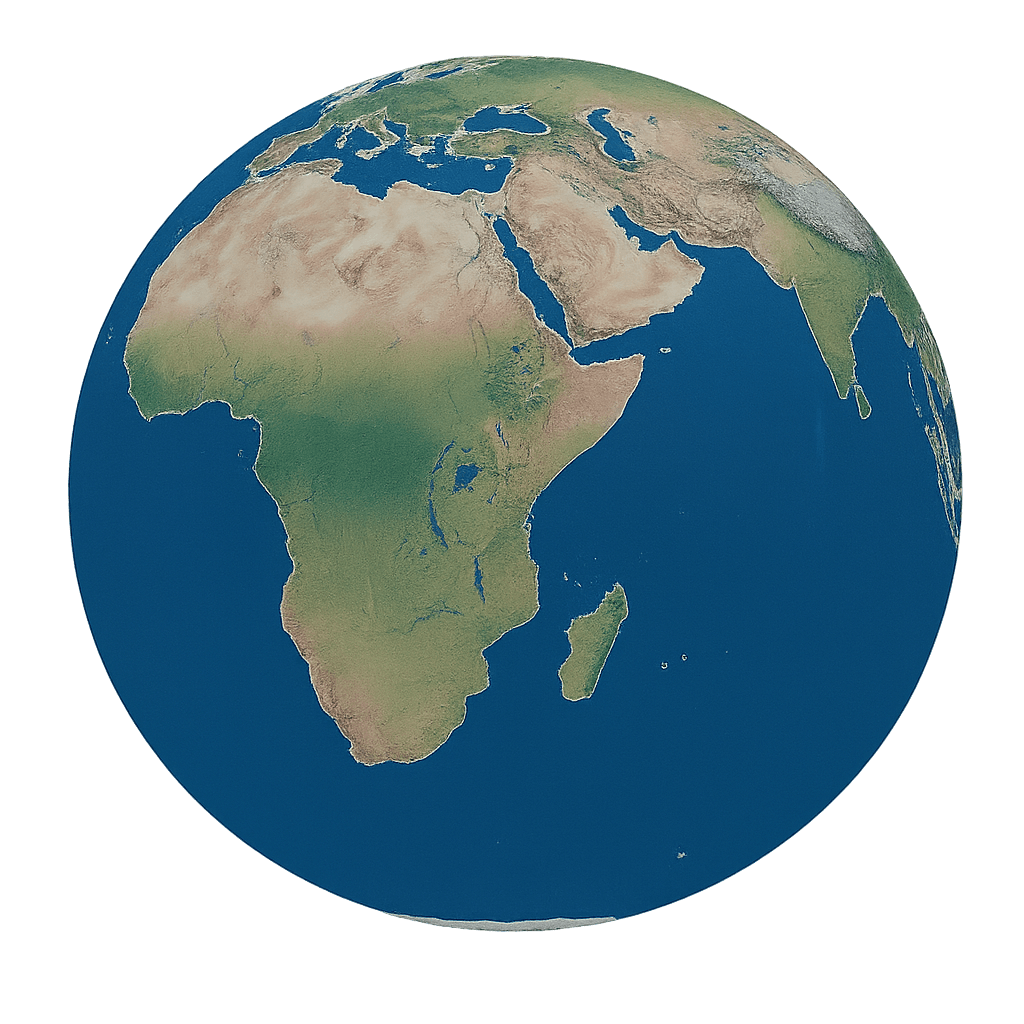
51% of new online spending in emerging markets will come from consumers 45+, WDL and EBANX report
New study on global e-commerce shows that emerging markets will account for 60% of new online spending over the next decade, led by an aging, more affluent population that increasingly relies on local payment methods
CURITIBA, Brazil, Oct. 20, 2026 (GLOBE NEWSWIRE) -- Long fueled by younger, mobile-first consumers, e-commerce in emerging markets is entering a demographic transition that will reshape it over the next ten years. According to a new study by World Data Lab (WDL) and EBANX, a global technology company specializing in payment services for emerging markets, people aged 45 and over will account for 51% of the increase in annual online spending in these countries through 2036, or USD 4.4 trillion, becoming a new engine of growth.
The pace is fastest among people 65 and over, whose online spending will rise 12.2% a year, the highest growth rate of any age group. The transition will also be felt in categories often associated with younger audiences. In 2036, consumers between 45 and 64 will spend USD 318 billion on gaming, streaming and social media, nearly 25% more than those between 15 and 29.
“Over the next ten years, people aged 45 and over will add USD 4.4 trillion in online spending in emerging markets, half of all the growth. Some of them already shop on their phones and will keep doing so as they get older. Others will buy online for the first time in their fifties or sixties. Merchants who build their checkout only for a 25-year-old will miss both groups,” explained Wolfgang Fengler, CEO of World Data Lab.

The study also projects that most new online buyers in emerging markets through 2036, defined as adults who use a mobile phone to shop on the internet, are over 45: 223 million between 45 and 64, and 170 million aged 65 or older.
Despite this demographic transition, younger consumers will remain central to e-commerce, especially where populations are still very young, such as Sub-Saharan Africa. Across emerging markets, 221 million people between 15 and 29 will make their first purchases on digital channels within the next decade. Online spending in this age range will increase by USD 1.9 trillion, an annual growth rate of 8.7%, the second highest after the 12.2% for consumers 65 and over.
Part of what explains this momentum across age groups is the expansion of the middle class, which is set to gain 930 million adults by 2036 and reach a total of 3.8 billion. Two-thirds of them join as their spending rises past USD 13 a day, the threshold used to define the middle class, and the rest come from population growth. Over the same period, this income bracket is expected to shrink by 37 million in developed markets.
“A difference of almost a billion consumers in a single decade reveals a clear shift in the center of gravity of global consumption and cross-border business, which is moving toward the countries where most of the world’s population lives,” said Marie-Elise Droga, Chief Revenue Officer at EBANX.
Emerging markets will account for six out of every ten new dollars spent online worldwide over the next decade, according to the WDL and EBANX study, with annual online spending more than doubling, from USD 7.1 trillion today to USD 15.8 trillion in 2036. That amounts to an additional USD 8.7 trillion in the global digital economy. China and India lead this expansion, with increases of USD 4.7 trillion and USD 1.3 trillion, respectively, followed by Brazil (USD 249 billion), Indonesia (USD 243 billion) and Mexico (USD 191 billion).
Growth decoupled from the credit card
Unlike e-commerce in many developed economies, where the credit card is the backbone, its counterpart in emerging markets depends less and less on these traditional rails. The WDL and EBANX study projects that online spending by adults without a credit card in these countries will grow 130% over the next decade, from USD 3.3 trillion today to USD 7.6 trillion in 2036.
“This is closely tied to the innovation that came out of the financial industry in emerging markets, which developed solutions for an increasingly mobile economy and for the habits of local consumers. Today, we call them local payment methods, or LPMs, and they allowed e-commerce growth to decouple from the credit card, which still has very low penetration in these countries,” said Estelita Hass, Head of Market Intelligence at EBANX.
Only 20% of adults in emerging markets will be credit cardholders by 2036, well below the 66% projected for developed economies, the study found. As a result, two in three (67%) newcomers to e-commerce in these countries will arrive without one. For them, the gateways are local payment methods (LPMs), such as mobile money, digital wallets, locally issued debit cards, and instant account-to-account (A2A) rails, including Pix in Brazil, UPI in India and Bre-B in Colombia.
“If your checkout only takes credit cards, you are competing for one in five adults in emerging markets and conceding the other four”, said Marie-Elise. “The merchants growing fastest with us didn’t wait for cards to arrive: they added the payment rails their customers already use, and they’re taking new buyers, bigger baskets and recurring revenue that card-only competitors can’t even see."
What this means for global merchants
A consumer base that is older, larger, more affluent, and more used to paying digitally means new demand across every digital vertical in emerging markets. While retail leads the expansion through 2036, with online spending set to rise by USD 4.3 trillion, every other vertical will also grow in the period. Video gaming has the fastest pace, at 14.2% a year, which means USD 352 billion more in sales, followed by social media, at 9.7% (USD 202 billion), SaaS (software as a service), at 9.6% (USD 459 billion), travel, at 8.1% (USD 1.2 trillion), and streaming, at 8% (USD 194 billion).
In all of these verticals, consumers without a credit card account for more than half of online spending in emerging markets. And there is still plenty of room to expand: at least 957 million people in these countries already pay digitally but have yet to buy anything on the internet.
ABOUT EBANX
EBANX is the leading payments platform connecting global businesses to the world’s fastest-growing digital markets. Founded in 2012 in Brazil, EBANX was built with a mission to expand access to international digital commerce. Leveraging proprietary technology, deep market expertise, and robust infrastructure, EBANX enables global companies to offer hundreds of local payment methods across Latin America, Africa, and Asia. More than just payments, EBANX drives growth, enhances sales, and delivers seamless purchase experiences for businesses and end-users alike.
For further information, please visit:
Website: https://www.ebanx.com/en/
LinkedIn: https://www.linkedin.com/company/ebanx
Media contact:
Leo Stamillo
leo@contentco.tech
ContentCO.tech
A photo accompanying this announcement is available at https://www.globenewswire.com/NewsRoom/AttachmentNg/f081075d-c0f0-4779-8fe3-af6dfce0eddc


51% of new online spending in emerging markets will come from consumers 45+

51% of new online spending in emerging markets will come from consumers 45+
Legal Disclaimer:
EIN Presswire provides this news content "as is" without warranty of any kind. We do not accept any responsibility or liability for the accuracy, content, images, videos, licenses, completeness, legality, or reliability of the information contained in this article. If you have any complaints or copyright issues related to this article, kindly contact the author above.
